Today’s Exchange Rates in Nigeria: A Comprehensive Guide to Official and Parallel Markets


Understanding the exchange rates in Nigeria is essential for businesses, travelers, and investors. Because Nigeria operates a managed float system, there is often a significant difference between the rates provided by the Central Bank of Nigeria (CBN) and those found in the informal or “black market.”
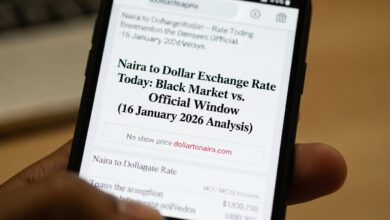
At dollartonaira.com, we provide daily updates to help you navigate these fluctuations. Today, December 26, 2025, the market continues to react to end-of-year liquidity demands.
1. Understanding the Dual Exchange Rate System
Nigeria currently operates with two primary windows for foreign exchange:
The Official Market (NAFEM)
The Nigerian Autonomous Foreign Exchange Market (NAFEM) is the official window where authorized dealers (banks) trade. This rate is usually lower and more stable but requires extensive documentation (Form A, Form M, etc.).
- Current Rate: ₦1,458.00 – ₦1,475.00 per $1.
The Parallel Market (Black Market)
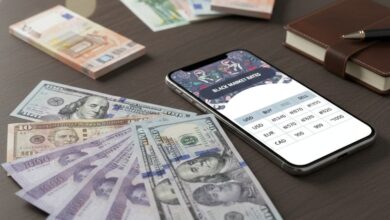
The parallel market is where most individuals and small businesses source foreign currency quickly. It is driven purely by demand and supply without government regulation.
- Current Rate: ₦1,495.00 – ₦1,510.00 per $1.
2. Cross-Currency Rates: GBP and EUR to Naira
While the US Dollar (USD) is the dominant currency, many Nigerians also keep a close eye on the British Pound (GBP) and the Euro (EUR) due to high levels of trade and education migration to Europe and the UK.
| Currency | Official Rate (NGN) | Black Market Rate (NGN) |
| US Dollar (USD) | ₦1,465.00 | ₦1,505.00 |
| British Pound (GBP) | ₦1,855.00 | ₦1,890.00 |
| Euro (EUR) | ₦1,595.00 | ₦1,630.00 |
3. Factors Driving Exchange Rate Volatility in 2025
Several macroeconomic factors influence why the Naira gains or loses value against the Dollar:
- Foreign Reserves: As of late 2025, Nigeria’s external reserves have seen a boost from improved oil production, currently sitting at $45.2 billion.
- Monetary Policy: The CBN’s decision to maintain high interest rates has helped curb excess Naira in circulation, providing some support for the currency.
- Import Demand: Nigeria remains an import-dependent economy. High demand for refined petrol, machinery, and raw materials continues to put pressure on the available Dollar supply.
4. How to Calculate Your Exchange Rate
When using our Currency Converter, it is important to know which rate applies to you.
- If you are paying for school fees or medical bills abroad through a bank, use the Official Rate.
- If you are buying Dollars for quick business travel or local trade, the Parallel Market Rate is your benchmark.
5. Tips for Trading Currency Safely
- Verify Rates: Always check dollartonaira.com before heading to a BDC (Bureau De Change).
- Avoid Street Scams: Only trade with licensed BDC operators to ensure you receive genuine bills.
- Monitor Trends: Exchange rates often fluctuate during the day. Often, rates are more stable in the mid-morning than in the late afternoon.
Q: Why is the black market rate higher than the bank rate?
A: Because the black market offers immediate liquidity without the strict documentation and waiting periods required by commercial banks.
Q: Can the Naira reach ₦1,200 per Dollar again?
A: Currency valuation depends on many factors. Increased local production and higher oil exports are the primary ways the Naira can strengthen significantly.